 yetone
a9cd746da3
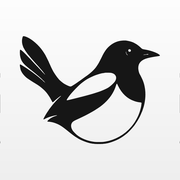
A Bark push showed Bark's default icon, so in the notification list it
wasn't clear the push came from magpie. Push now sends Bark's `icon`
field, pointing at https://usemagpie.ai/apple-touch-icon.png: the
app's own 180px apple-touch-icon, copied into site/public and already
deployed (curl: 200 image/png).

Run:
- mote-run go test -count=1 ./internal/bark: ok (the push test now
  checks the icon field).
- gofmt -l internal/bark: clean.

Not tried: a real push to the Bark app on a phone.
89 lines
2.7 KiB
Go
89 lines
2.7 KiB
Go
package bark
|
|
|
|
import (
|
|
"context"
|
|
"encoding/json"
|
|
"io"
|
|
"net/http"
|
|
"net/http/httptest"
|
|
"strings"
|
|
"sync"
|
|
"testing"
|
|
)
|
|
|
|
// fake is a Bark server: it records each push and answers as Bark does.
|
|
type fake struct {
|
|
mu sync.Mutex
|
|
got []map[string]any
|
|
urls []string
|
|
code int
|
|
say string
|
|
*httptest.Server
|
|
}
|
|
|
|
func newFake(t *testing.T, code int, say string) *fake {
|
|
f := &fake{code: code, say: say}
|
|
f.Server = httptest.NewServer(http.HandlerFunc(func(w http.ResponseWriter, r *http.Request) {
|
|
b, _ := io.ReadAll(r.Body)
|
|
var m map[string]any
|
|
json.Unmarshal(b, &m)
|
|
f.mu.Lock()
|
|
f.got, f.urls = append(f.got, m), append(f.urls, r.Method+" "+r.URL.String())
|
|
f.mu.Unlock()
|
|
w.WriteHeader(f.code)
|
|
io.WriteString(w, f.say)
|
|
}))
|
|
t.Cleanup(f.Close)
|
|
old := client
|
|
client = &http.Client{} // the test's own: never the system proxy, never the network
|
|
t.Cleanup(func() { client = old })
|
|
return f
|
|
}
|
|
|
|
func TestPushPostsJSONAndNeverPutsTheKeyInTheAddress(t *testing.T) {
|
|
f := newFake(t, 200, `{"code":200,"message":"success"}`)
|
|
if err := Push(context.Background(), Target{Server: f.URL + "/", Key: " SECRETKEY123 "}, "Title", "Body"); err != nil {
|
|
t.Fatal(err)
|
|
}
|
|
if len(f.got) != 1 || f.urls[0] != "POST /push" {
|
|
t.Fatalf("requests %v", f.urls)
|
|
}
|
|
m := f.got[0]
|
|
if m["device_key"] != "SECRETKEY123" || m["title"] != "Title" || m["body"] != "Body" || m["group"] != "magpie" || m["icon"] != "https://usemagpie.ai/apple-touch-icon.png" {
|
|
t.Fatalf("body %v", m)
|
|
}
|
|
}
|
|
|
|
func TestPushRefusalNamesNeitherKey(t *testing.T) {
|
|
f := newFake(t, 400, `{"code":400,"message":"failed to get device token: SECRETKEY123 not found"}`)
|
|
err := Push(context.Background(), Target{Server: f.URL, Key: "SECRETKEY123"}, "t", "b")
|
|
if err == nil || !strings.Contains(err.Error(), "400") {
|
|
t.Fatalf("err %v", err)
|
|
}
|
|
if strings.Contains(err.Error(), "SECRETKEY123") {
|
|
t.Fatalf("the error says the key: %v", err)
|
|
}
|
|
}
|
|
|
|
func TestPushNeedsAKeyAndFailedConnectionsSayNoKey(t *testing.T) {
|
|
if err := Push(context.Background(), Target{Server: "http://127.0.0.1:1"}, "t", "b"); err == nil {
|
|
t.Fatal("pushed with no key")
|
|
}
|
|
old := client
|
|
client = &http.Client{} // port 1 on this computer: refused, nothing leaves it
|
|
t.Cleanup(func() { client = old })
|
|
err := Push(context.Background(), Target{Server: "http://127.0.0.1:1/SECRETKEY123", Key: "SECRETKEY123"}, "t", "b")
|
|
if err == nil || strings.Contains(err.Error(), "SECRETKEY123") {
|
|
t.Fatalf("err %v", err)
|
|
}
|
|
}
|
|
|
|
func TestDefaultServer(t *testing.T) {
|
|
if got := (Target{Key: "k"}).url(); got != "https://api.day.app/push" {
|
|
t.Fatal(got)
|
|
}
|
|
if got := (Target{Server: " https://bark.example.com/ ", Key: "k"}).url(); got != "https://bark.example.com/push" {
|
|
t.Fatal(got)
|
|
}
|
|
}
|